Facilitates the use of databases from major population-based
longitudinal studies on aging and health in Sweden
longitudinal studies on aging and health in Sweden
National E-infrastructure for Aging Research (NEAR)

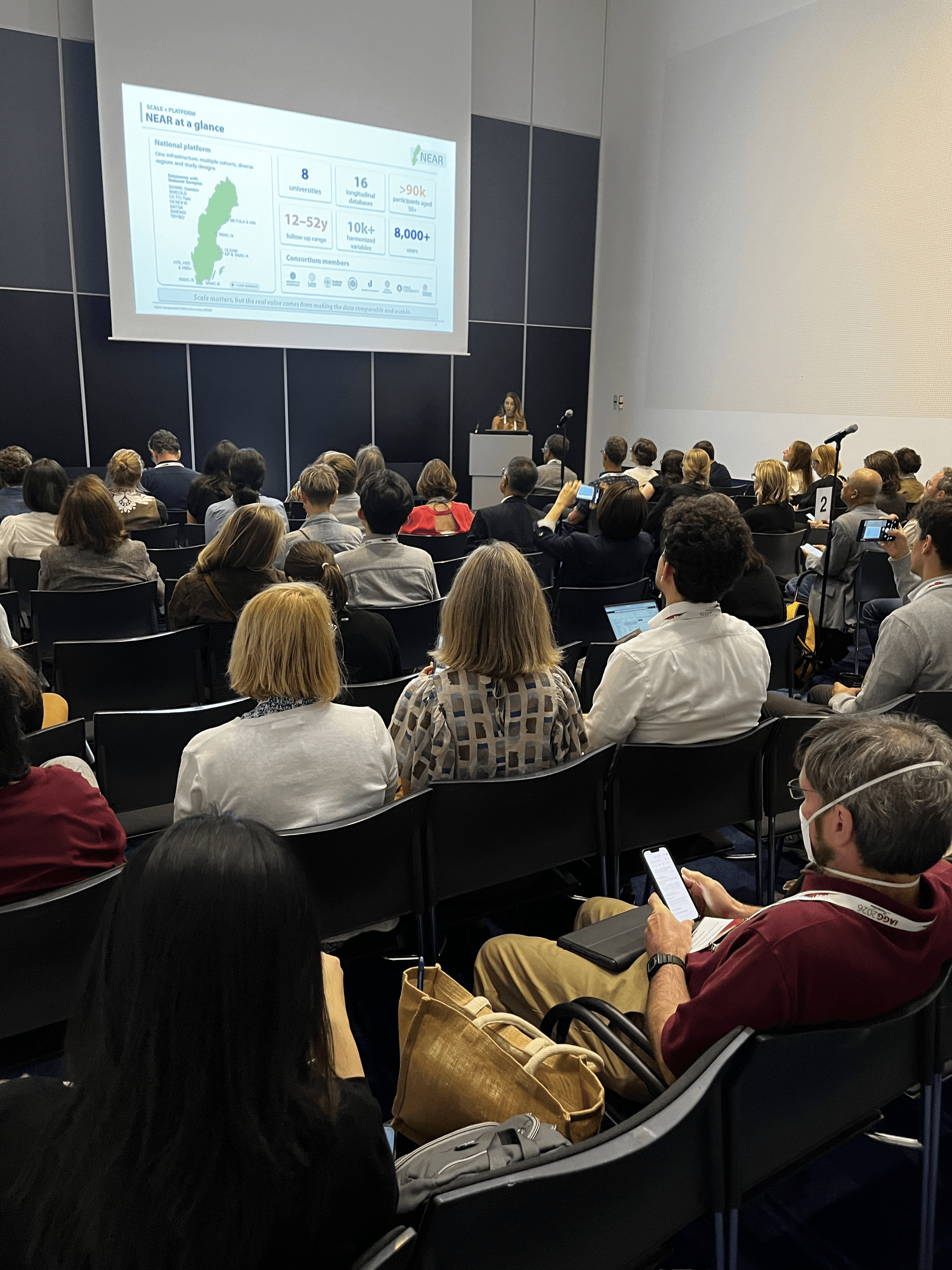
NEAR was delighted to participate in the session Cohort Data Infrastructures for Aging Research in Europe and Canada at the 23rd International Association of Gerontology and Geriatrics (IAGG) World Congress.

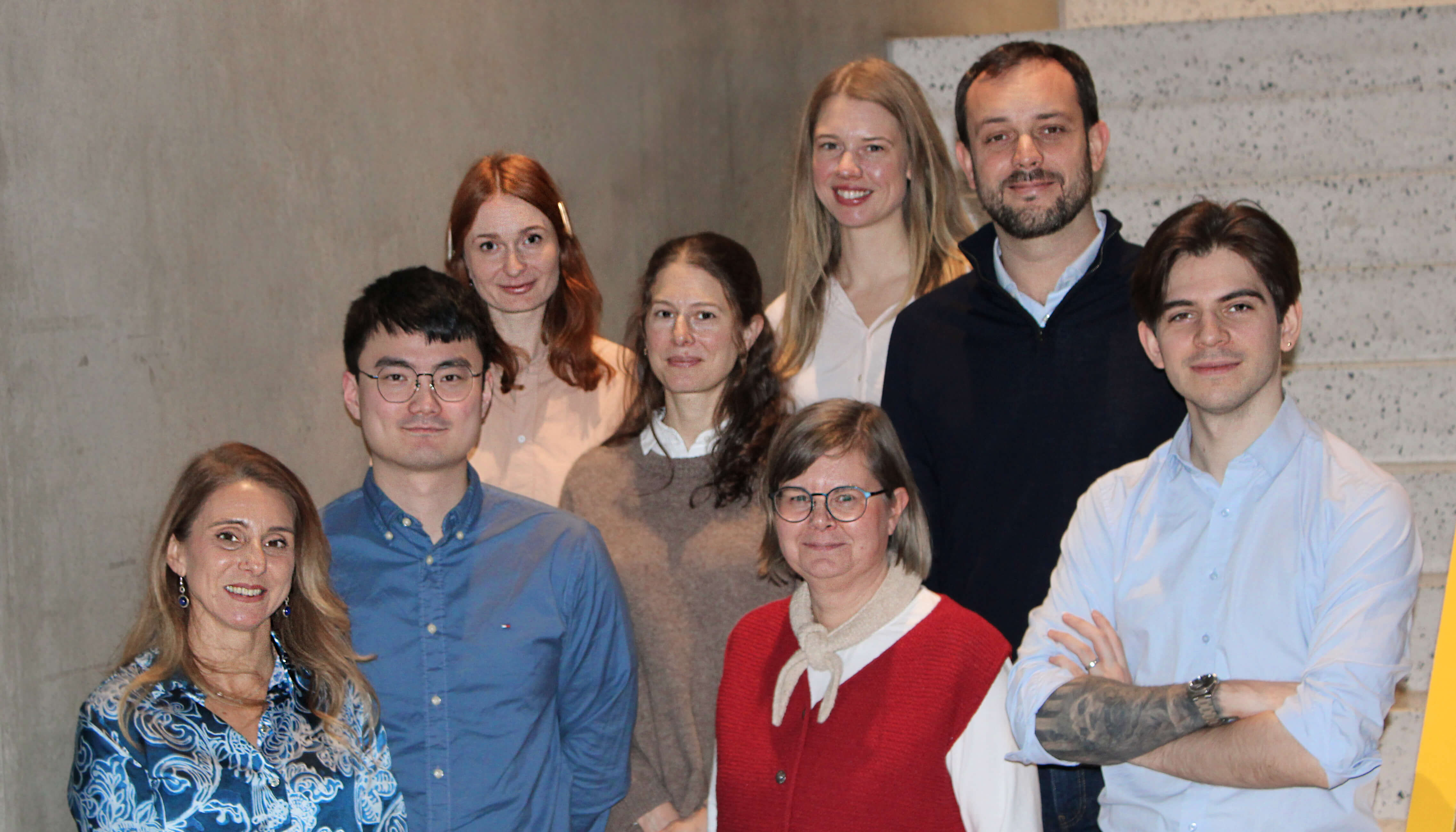
We are pleased to announce the appointment of a new NEAR Steering Group, effective from 26 May 2026 to 31 December 2029. It brings together leading national and international expertise across geriatrics, epidemiology, psychology, and life sciences, reflecting NEAR’s interdisciplinary mission and global outlook.
NEAR is happy to share that we are expanding to include Uppsala University and two additional databases: the Uppsala Longitudinal Study of Adult Men (ULSAM) and the Healthy Ageing Initiative (HAI). HAI is led by Peter Nordström and Anna Nordström, and ULSAM is led by Peter Nordström.
We are excited to share that NordForsk has awarded NEAR 5,515,823 SEK for the NEXT-NORD project: NEXT Generation Transdisciplinary Aging Research for Nordic Excellence, for 2026−2031.
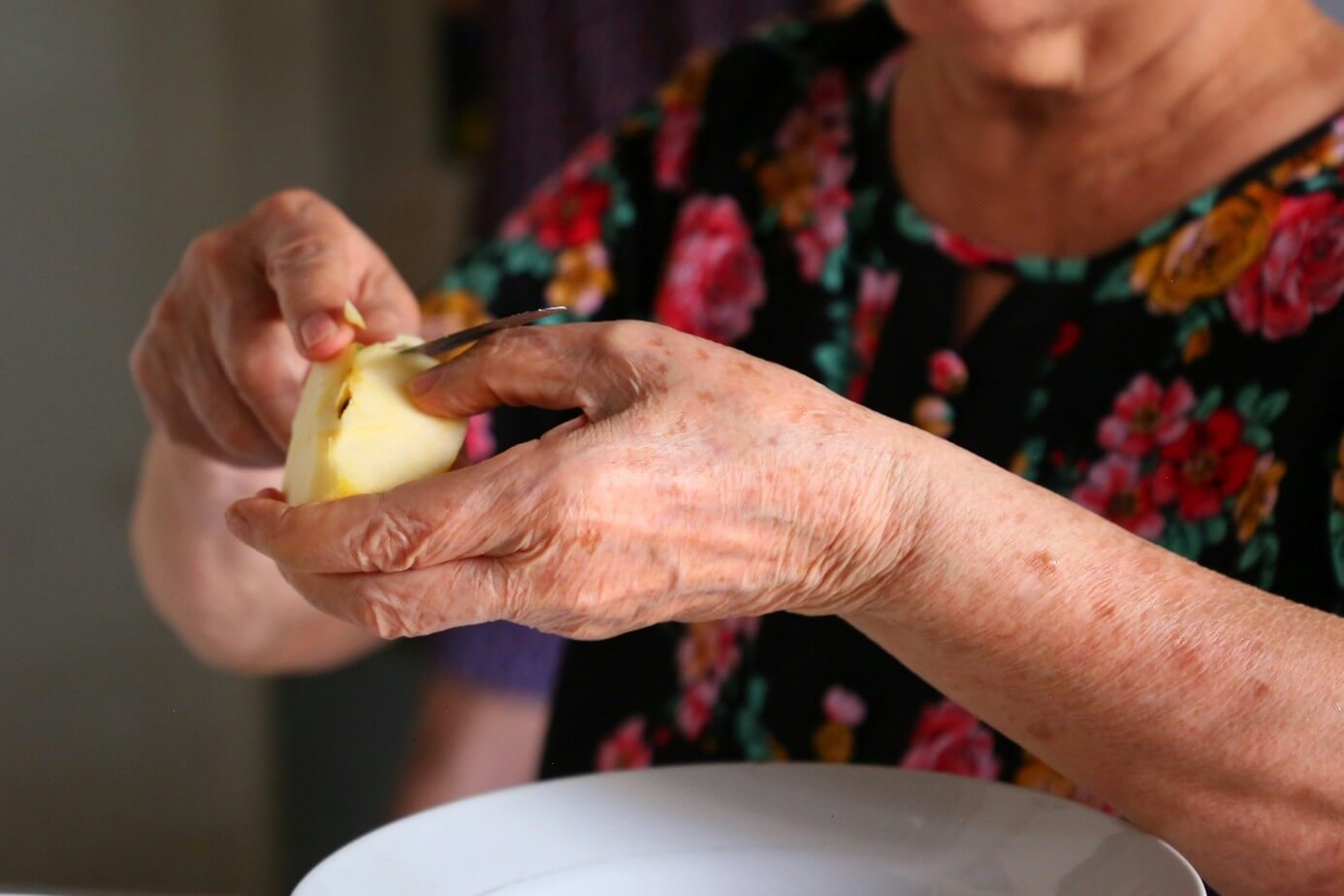
Using three NEAR studies, this study found that functional fine-motor tasks, such as inserting a key into a lock, may identify an elevated risk for developing dementia earlier than other gross-motor tasks.
As aging is a global phenomenon with challenges that transcend borders, NEAR views building strong international partnerships with similar research networks and studies as essential. Thus, we’re happy to announce our new partnership with the Spanish Seniors-Enrica study.
The National E-infrastructure for Aging Research (NEAR) is a unique research infrastructure that was founded in 2018. It is a collaboration between eight universities, including Karolinska Institutet, University of Gothenburg, Lund University, Umeå University, Jönköping University, Blekinge Institute of Technology, Uppsala University, and Stockholm University. The Director of NEAR is Associate Professor Debora Rizzuto.
The ultimate goal is to identify sustainable intervention strategies for better health and develop more effective care for the older population.
NEAR fulfills the six criteria established by the Swedish Research Council (VR) to define an infrastructure of national interest:
Sweden has one of the oldest populations in the world. The dramatic demographic changes underscore the urgent need to investigate aging research with the major goal of identifying intervention strategies for longer and healthier lives. NEAR focuses solely on aging and health, thus contributing to achieving this goal.
A broad multidisciplinary perspective is needed to achieve outstanding research in aging. NEAR includes datasets with medical, psychological, and social data covering social gerontology, public health, biomedicine, neuroscience, and care sciences. The availability of these diverse data in such a large population makes NEAR unique.
Our scientific production from the first five years shows that NEAR is increasingly used by national and international researchers with high scientific profiles as the infrastructure provides unique information for aging research and policy development.
NEAR includes 15 databases covering older populations from almost all parts of Sweden. The large sample size (90,000 persons), provides nationally representative health-related data that allows for tracing societal changes, time trends, and generational differences in older adults’ health.
NEAR’s long-term plan includes continuous expansion by adding new data and databases, linking with registers, and interacting with related international infrastructures.
We have developed a detailed policy regarding accessibility, rules, and procedures for using NEAR data for academic and non-academic users. We found solutions to guarantee open access to all users while taking the ethical and legal aspects of sensitive personal data into account.